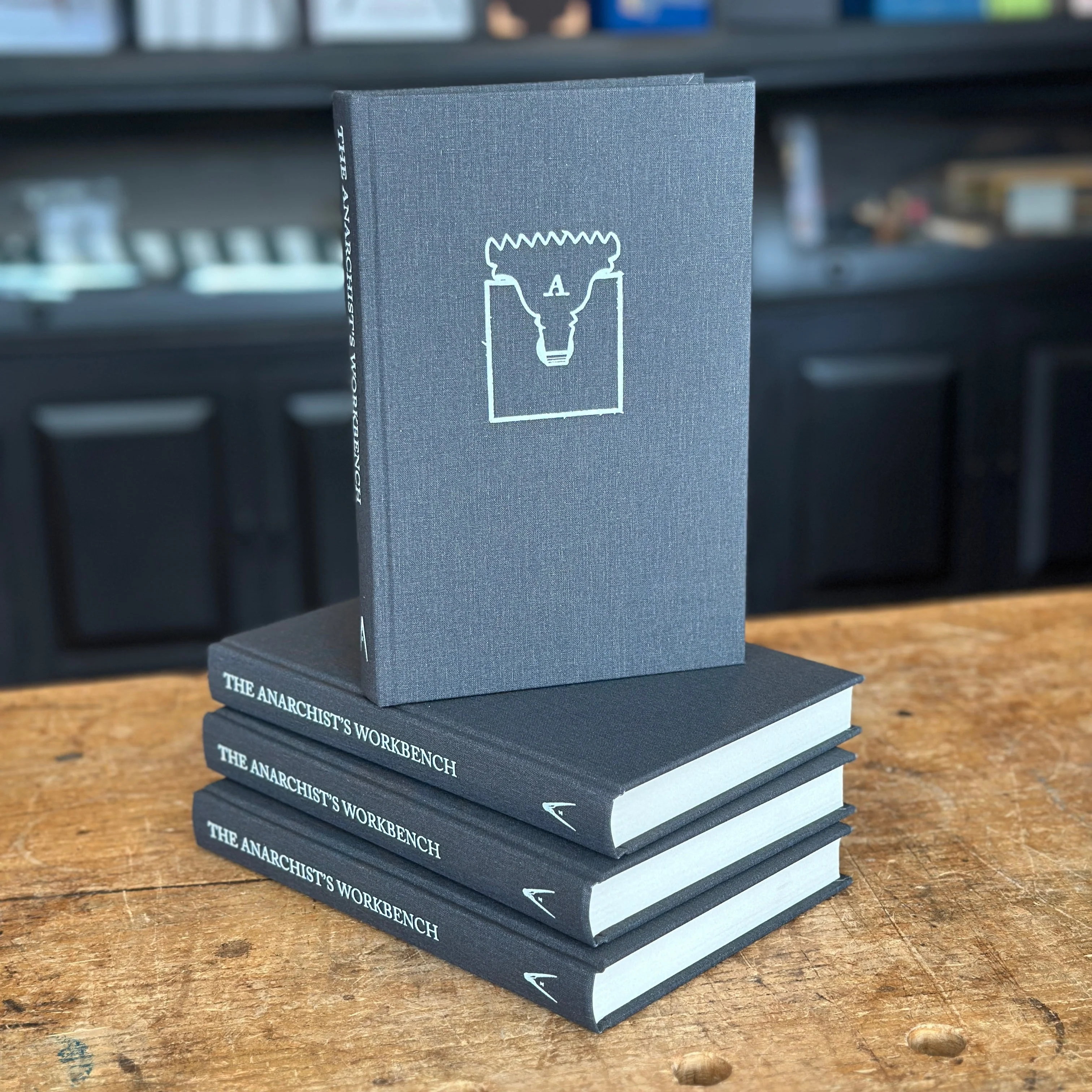
The Anarchist's Workbench (signed by the author)
by Christopher Schwarz
You can download a free PDF of this book here.
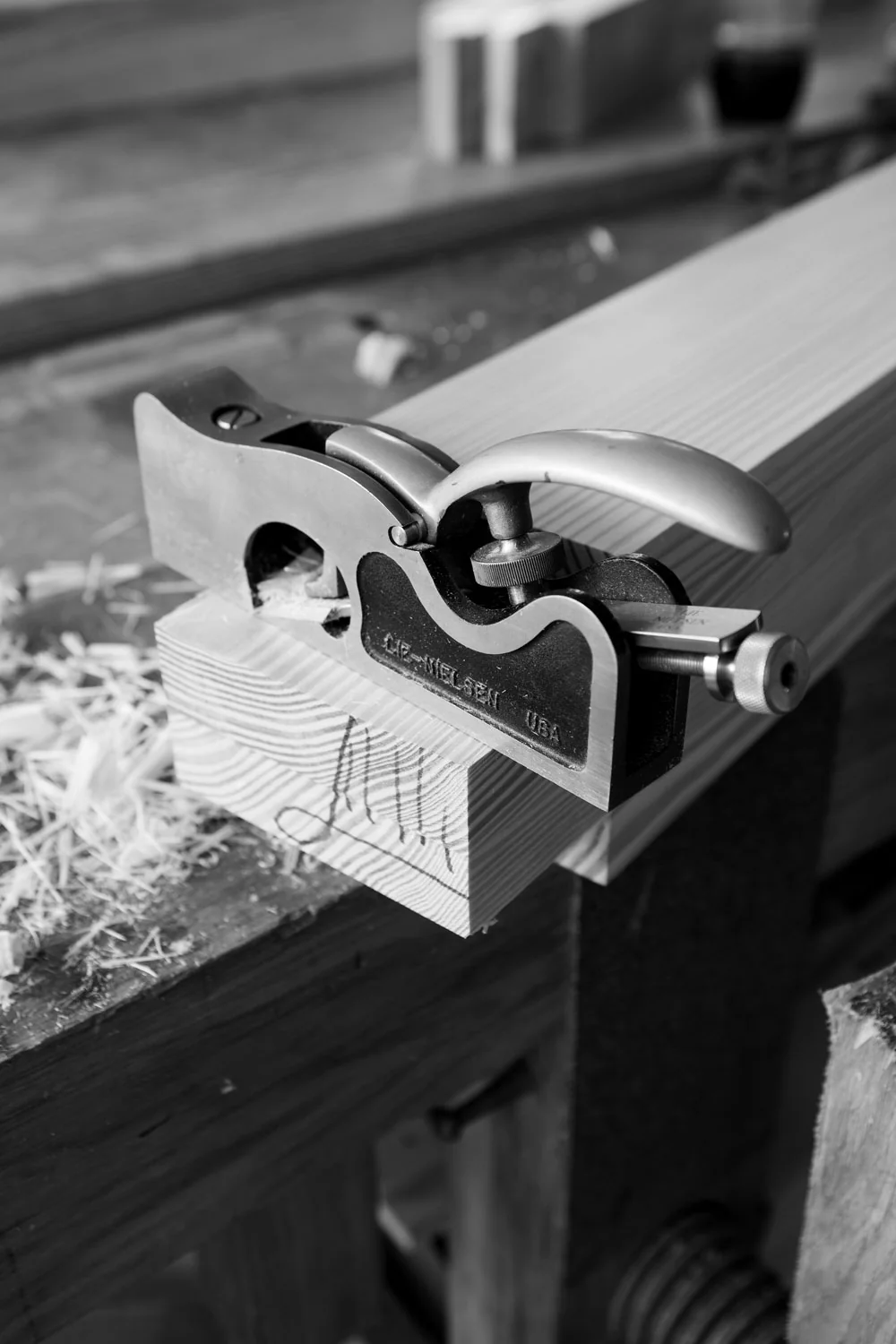
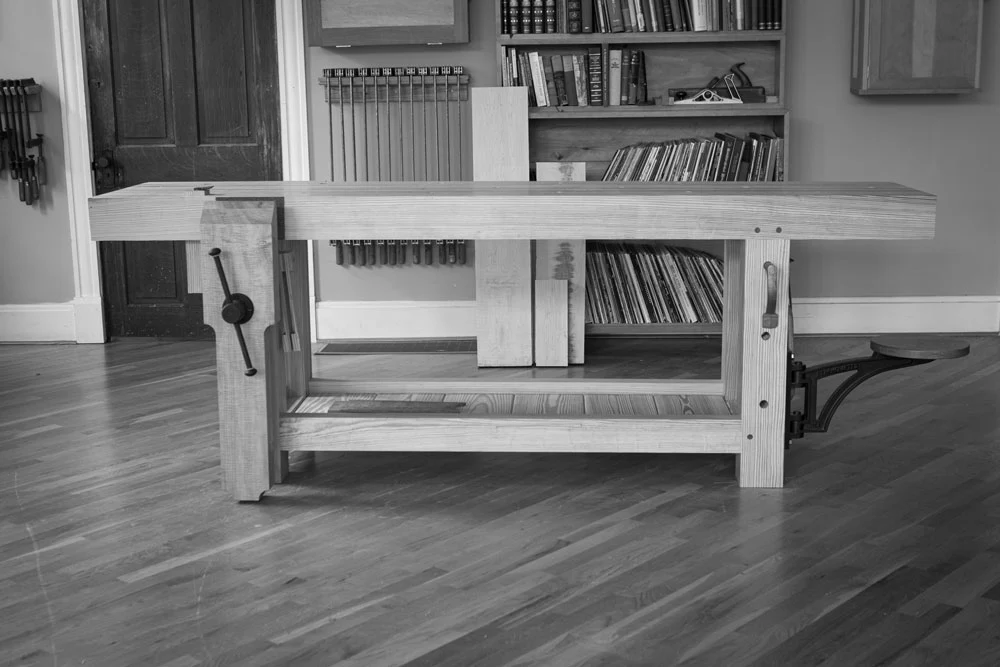
“The Anarchist’s Workbench” is – on the one hand – a detailed plan for a simple workbench that can be built using construction lumber and basic woodworking tools. But it’s also the story of Christopher Schwarz’s 20-year journey researching, building and refining historical workbenches until there was nothing left to improve.
Along the way, Schwarz quits his corporate job, builds a publishing company founded on the principles of mutualism and moves into an 1896 German barroom in a red-light district, where he now builds furniture, publishes books and tries to live as an aesthetic anarchist.
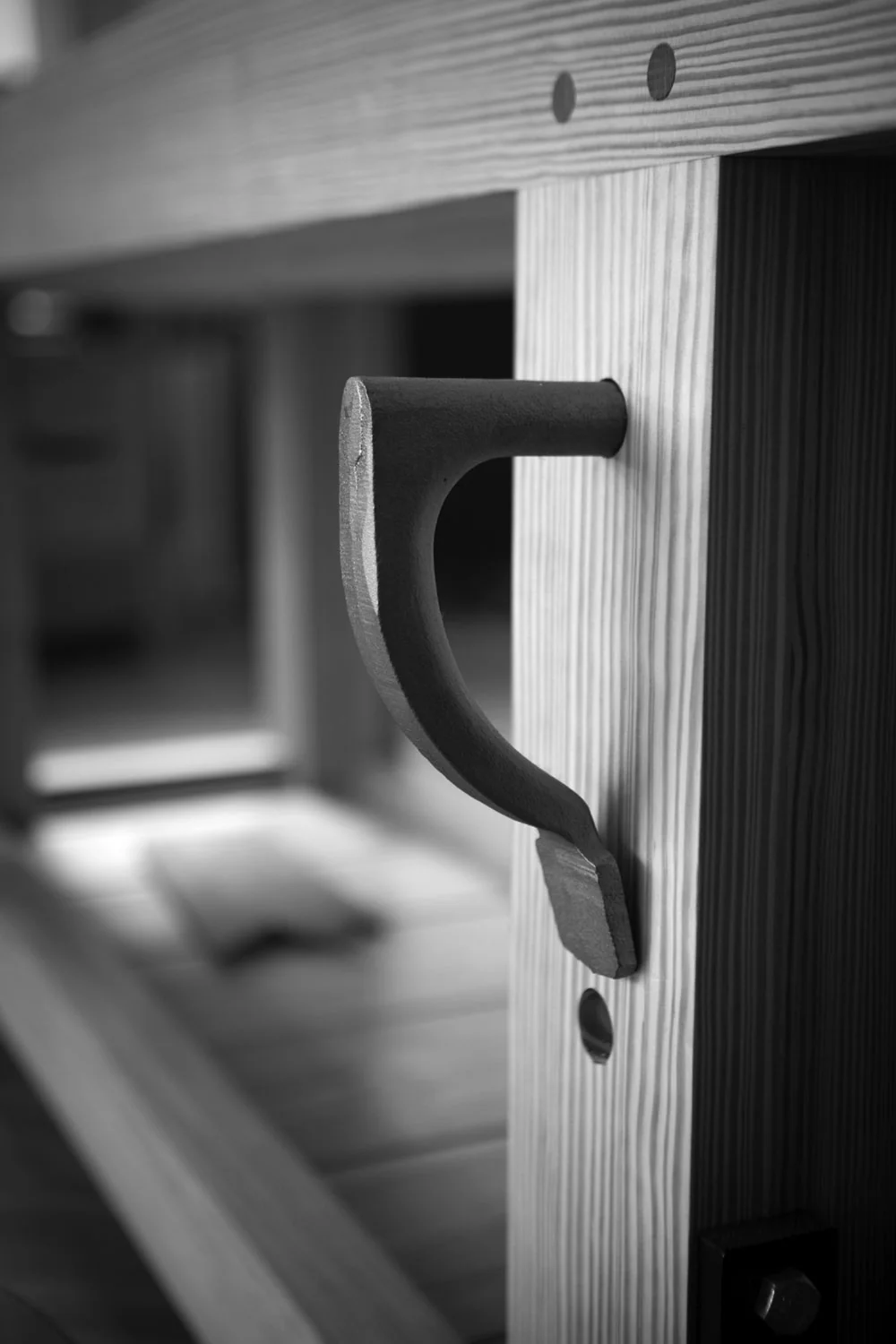
“The Anarchist's Workbench” is the third and final book in the “anarchist” series, and it attempts to cut through the immense amount of misinformation about building a proper bench. It helps answer the questions that dog every woodworker: What sort of bench should I build? What wood should I use? What dimensions should it be? And what vises should I attach to it?
These questions are answered with the perspective of 2,000 years of workbench history.
Surprisingly, the way we immobilize pieces of wood to work on them hasn’t changed much in the last 700 years. But what has changed are the raw bench-building materials available to the modern woodworker. Gone are the massive slabs of oak, maple and beech that built the Western workbenches of our ancestors.
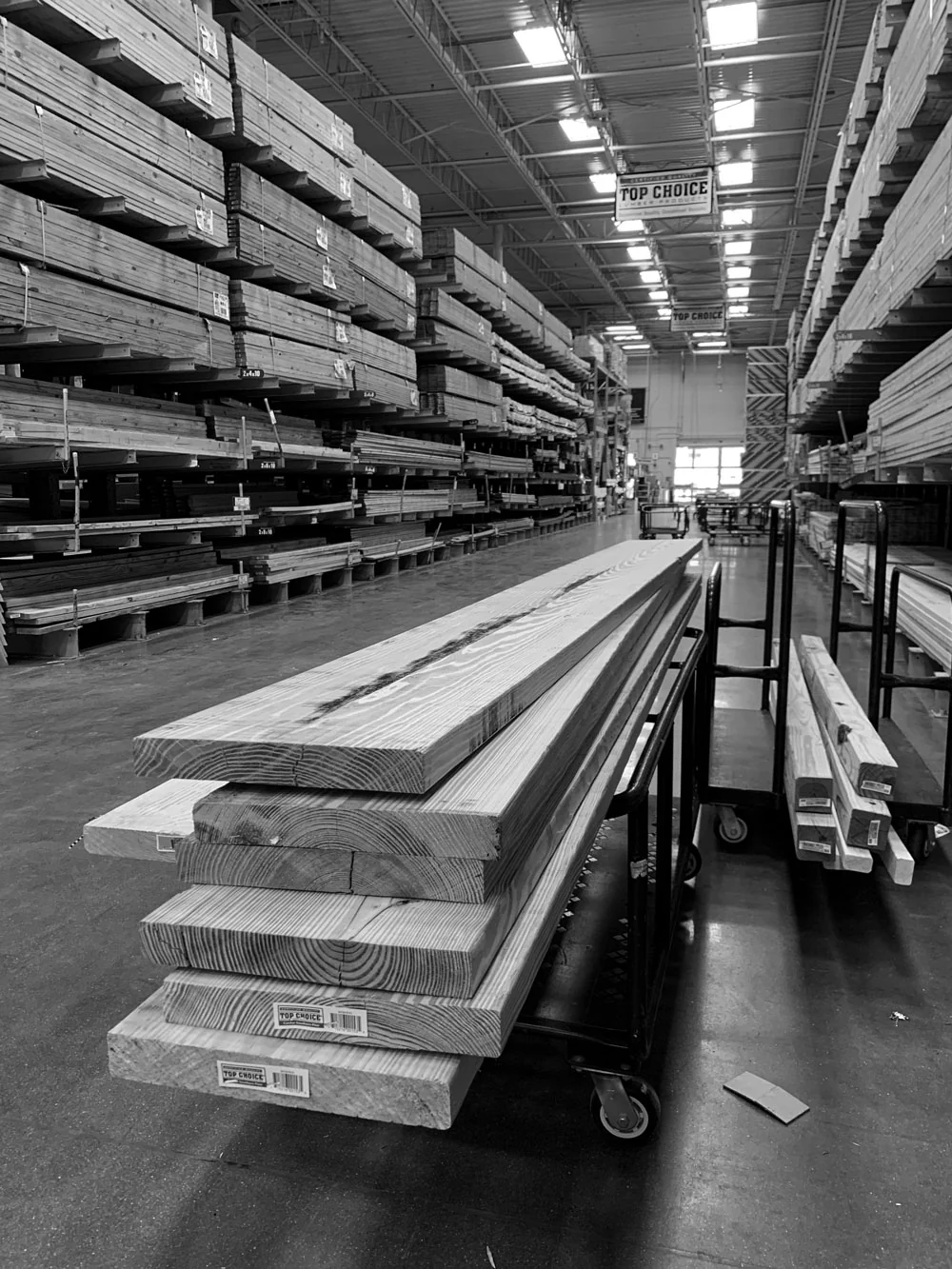
In their stead, we have very expensive hardwoods, plus inexpensive softwoods used for residential construction – yellow pines and firs – that (when used thoughtfully) can produce workbenches that are as heavy, tough and useful as historical examples.
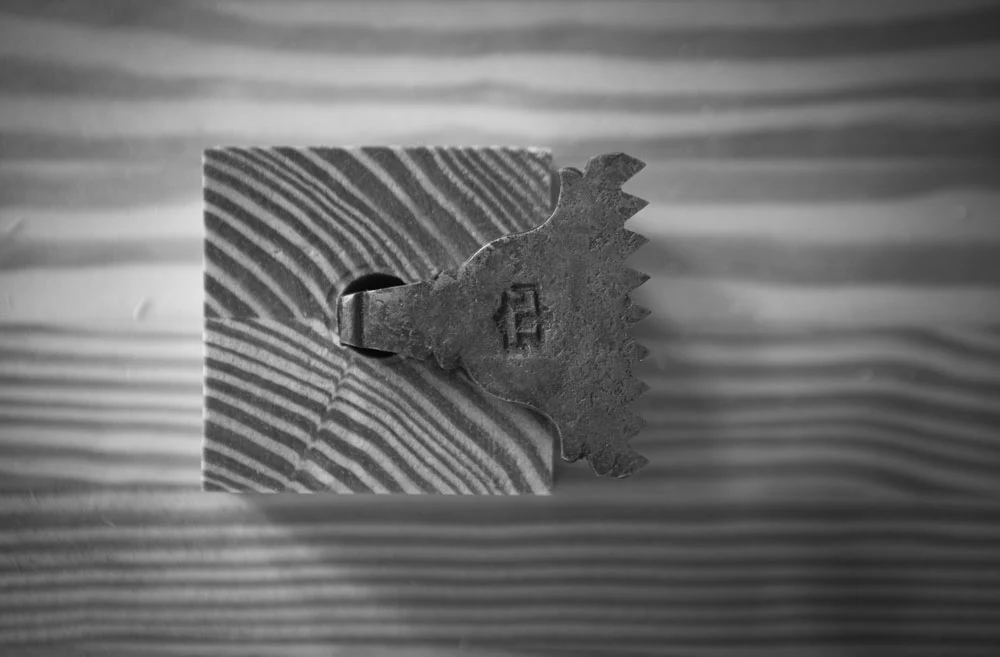
“The Anarchist's Workbench” also seeks to open your eyes to simpler workbench designs that eschew metal fasteners and instead rely only on the time-tested mortise-and-tenon joint that’s secured with a drawbored peg. The bench plan in the book is based on a European design that spread across the continent in the 1500s. It has only 12 joints, weighs more than 300 pounds and requires less than $300 in lumber.
And while the bench is immensely simple, it is a versatile design that you can adapt and change as you grow as a woodworker.
Oh, one more important fact about the book: You can download it for free. All you have to do is click this link. You don’t have to register for anything or give up your email. Just click the link and the entire book will download to your device in pdf format. The file has no DRM (digital rights management). And it’s covered by a creative commons license that allows you to use the material however you like for non-commercial purposes.
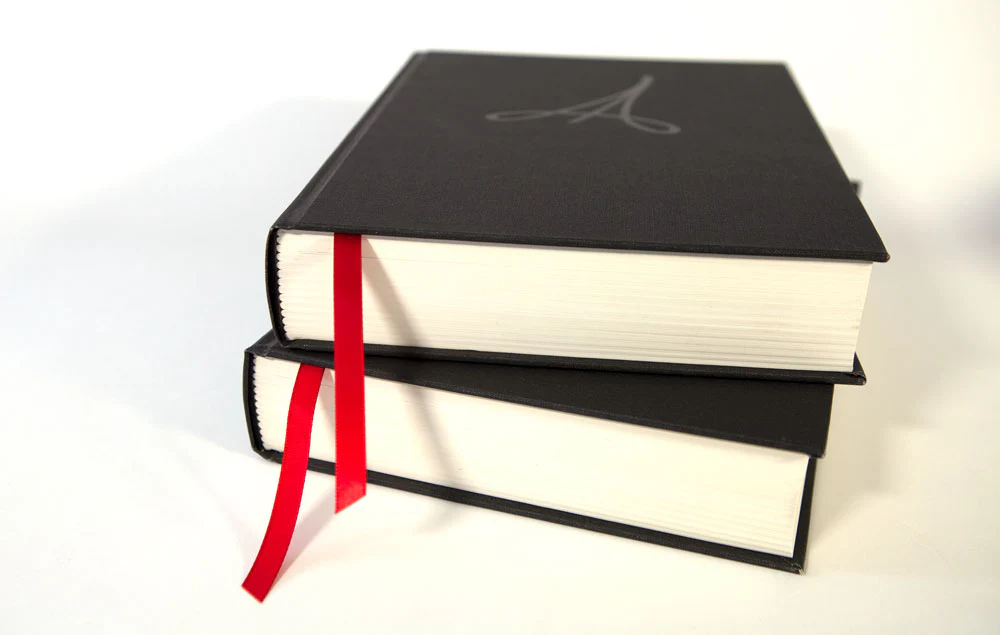
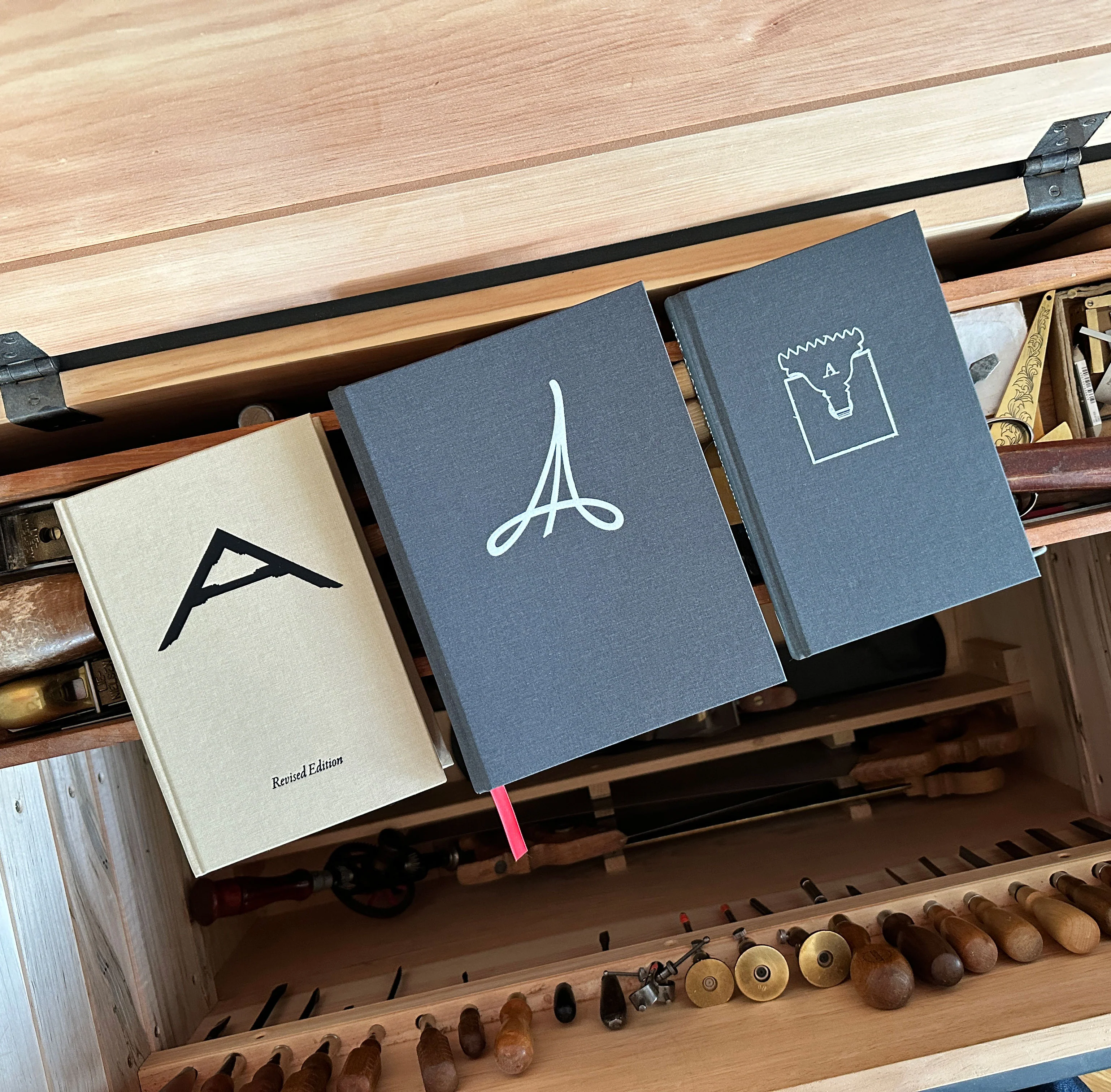
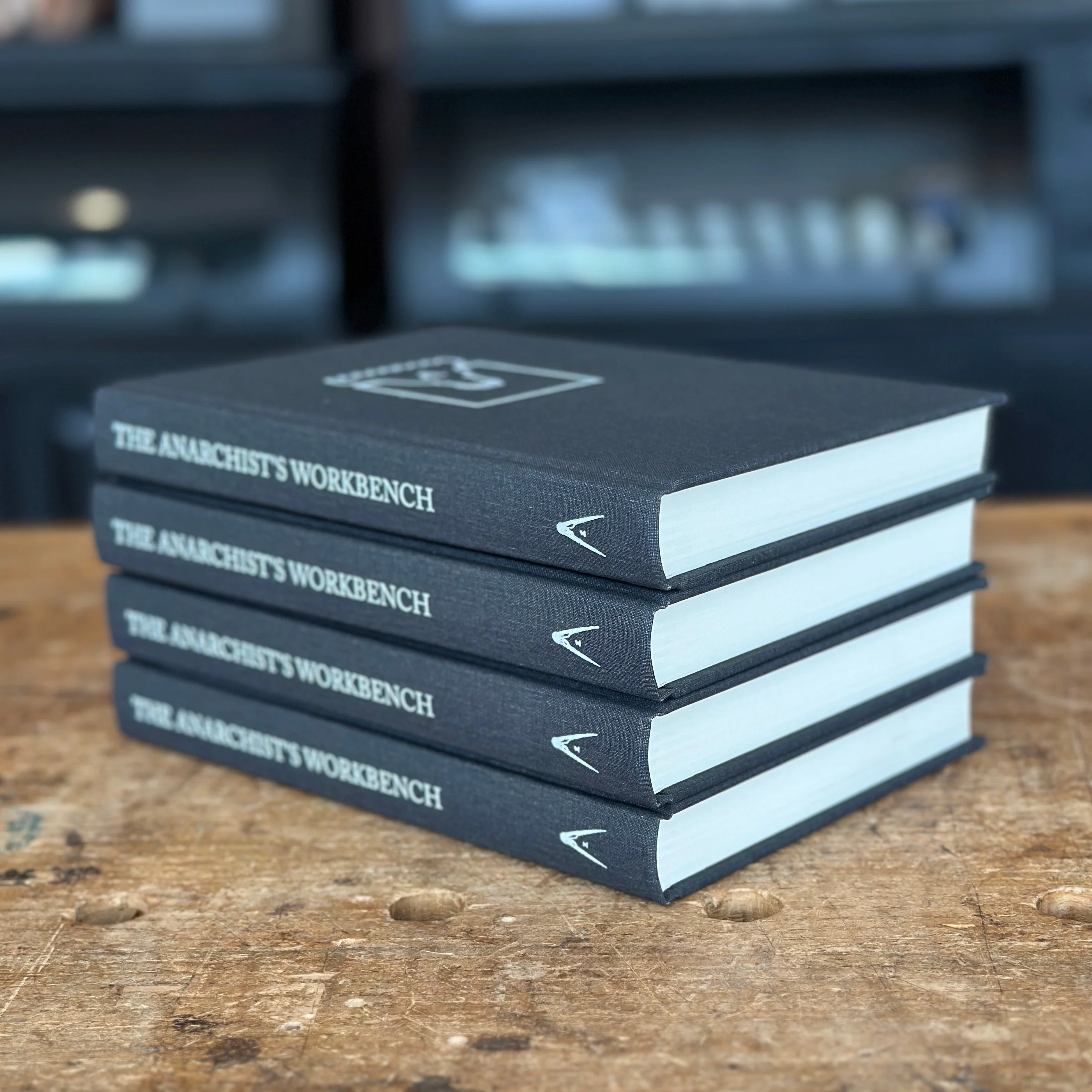
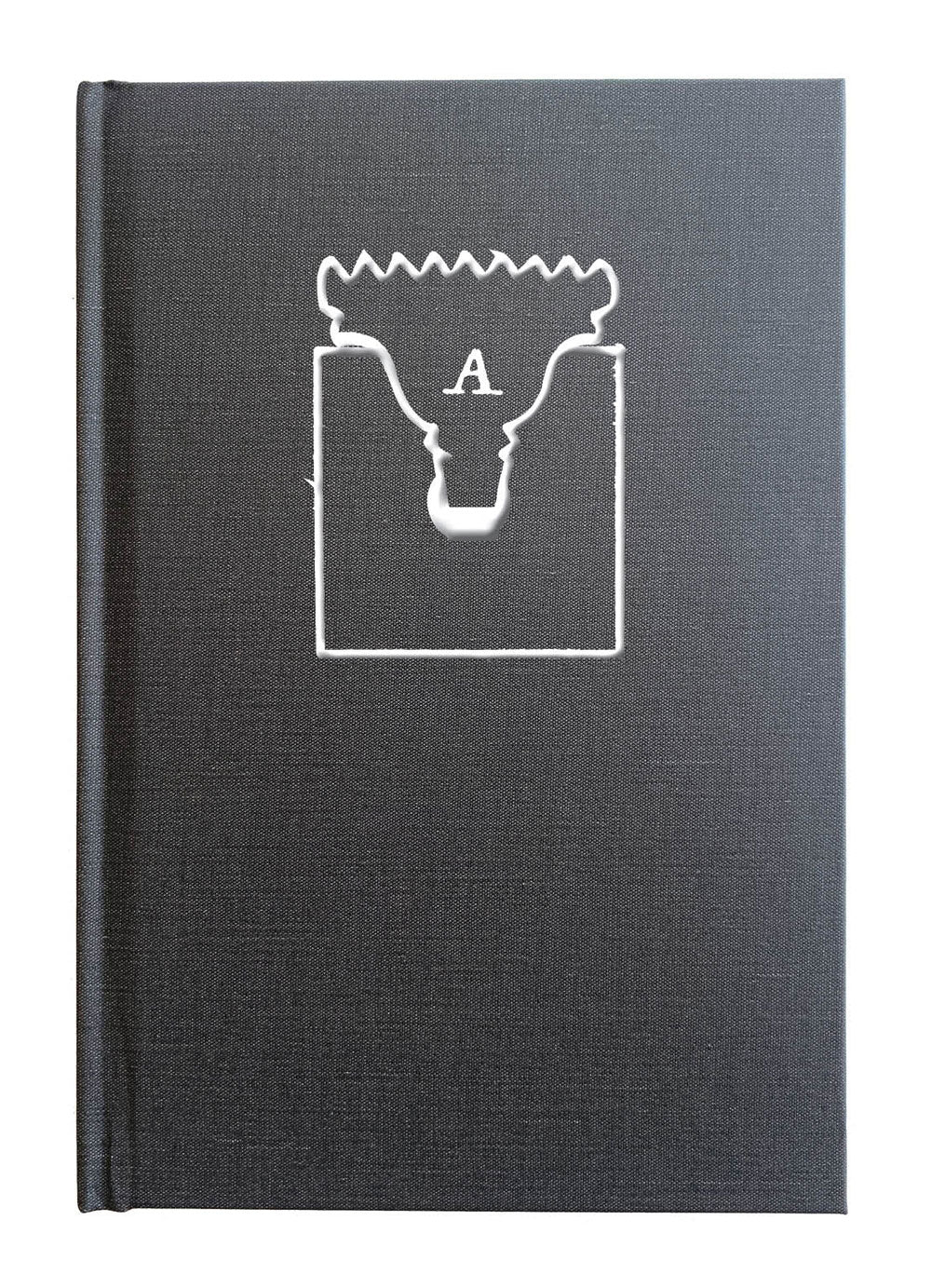
If you prefer a printed book, you can order one for $31. The 344-page 6” x 9” book is printed on #60 opaque paper. Its signatures are sewn and secured with fiber tape for durability. The pages are hardbound and covered in cotton cloth. Like all Lost Art Press books, it is produced entirely in the United States. Sorry but signed books cannot be personalized.
Table of Contents
Preface vii
Planting the Flag 1
Internal Doubt & Defiant Retort 6
For the Love of Yellow Wood 18
All the Mistakes 34
Before A.J. Roubo 84
Joinery, Like a Vow 100
Make it Damn Big (Mostly) 124
Workholding: Edges & Ends 138
Workholding: Faces of Boards 162
Afraid of Fire 182
Introduction to the Anarchist’s Workbench 194
Construction Drawings & Cutting List 212
Build the Benchtop 218
Build the Base 232
Assembly & Vises 250
Make it Work Right 280
The ‘A’ is Now at the End 290
Appendicies
Workbenches CAQ 296
Working Without a Workbench 308
Helpful Tools for Bench Builders 316
A Workbench Timeline 322
About the Author

Christopher Schwarz is a furniture maker, writer and teacher. He is one of the founders and publisher of Lost Art Press and one of the founders of Crucible Tool.
Original: $37.00
-70%$37.00
$11.10More Images

The Anarchist's Workbench (signed by the author)
by Christopher Schwarz
You can download a free PDF of this book here.
“The Anarchist’s Workbench” is – on the one hand – a detailed plan for a simple workbench that can be built using construction lumber and basic woodworking tools. But it’s also the story of Christopher Schwarz’s 20-year journey researching, building and refining historical workbenches until there was nothing left to improve.
Along the way, Schwarz quits his corporate job, builds a publishing company founded on the principles of mutualism and moves into an 1896 German barroom in a red-light district, where he now builds furniture, publishes books and tries to live as an aesthetic anarchist.
“The Anarchist's Workbench” is the third and final book in the “anarchist” series, and it attempts to cut through the immense amount of misinformation about building a proper bench. It helps answer the questions that dog every woodworker: What sort of bench should I build? What wood should I use? What dimensions should it be? And what vises should I attach to it?
These questions are answered with the perspective of 2,000 years of workbench history.
Surprisingly, the way we immobilize pieces of wood to work on them hasn’t changed much in the last 700 years. But what has changed are the raw bench-building materials available to the modern woodworker. Gone are the massive slabs of oak, maple and beech that built the Western workbenches of our ancestors.
In their stead, we have very expensive hardwoods, plus inexpensive softwoods used for residential construction – yellow pines and firs – that (when used thoughtfully) can produce workbenches that are as heavy, tough and useful as historical examples.
“The Anarchist's Workbench” also seeks to open your eyes to simpler workbench designs that eschew metal fasteners and instead rely only on the time-tested mortise-and-tenon joint that’s secured with a drawbored peg. The bench plan in the book is based on a European design that spread across the continent in the 1500s. It has only 12 joints, weighs more than 300 pounds and requires less than $300 in lumber.
And while the bench is immensely simple, it is a versatile design that you can adapt and change as you grow as a woodworker.
Oh, one more important fact about the book: You can download it for free. All you have to do is click this link. You don’t have to register for anything or give up your email. Just click the link and the entire book will download to your device in pdf format. The file has no DRM (digital rights management). And it’s covered by a creative commons license that allows you to use the material however you like for non-commercial purposes.
If you prefer a printed book, you can order one for $31. The 344-page 6” x 9” book is printed on #60 opaque paper. Its signatures are sewn and secured with fiber tape for durability. The pages are hardbound and covered in cotton cloth. Like all Lost Art Press books, it is produced entirely in the United States. Sorry but signed books cannot be personalized.
Table of Contents
Preface vii
Planting the Flag 1
Internal Doubt & Defiant Retort 6
For the Love of Yellow Wood 18
All the Mistakes 34
Before A.J. Roubo 84
Joinery, Like a Vow 100
Make it Damn Big (Mostly) 124
Workholding: Edges & Ends 138
Workholding: Faces of Boards 162
Afraid of Fire 182
Introduction to the Anarchist’s Workbench 194
Construction Drawings & Cutting List 212
Build the Benchtop 218
Build the Base 232
Assembly & Vises 250
Make it Work Right 280
The ‘A’ is Now at the End 290
Appendicies
Workbenches CAQ 296
Working Without a Workbench 308
Helpful Tools for Bench Builders 316
A Workbench Timeline 322
About the Author
Christopher Schwarz is a furniture maker, writer and teacher. He is one of the founders and publisher of Lost Art Press and one of the founders of Crucible Tool.
Product Information
Product Information
Shipping & Returns
Shipping & Returns
Description
by Christopher Schwarz
You can download a free PDF of this book here.
“The Anarchist’s Workbench” is – on the one hand – a detailed plan for a simple workbench that can be built using construction lumber and basic woodworking tools. But it’s also the story of Christopher Schwarz’s 20-year journey researching, building and refining historical workbenches until there was nothing left to improve.
Along the way, Schwarz quits his corporate job, builds a publishing company founded on the principles of mutualism and moves into an 1896 German barroom in a red-light district, where he now builds furniture, publishes books and tries to live as an aesthetic anarchist.
“The Anarchist's Workbench” is the third and final book in the “anarchist” series, and it attempts to cut through the immense amount of misinformation about building a proper bench. It helps answer the questions that dog every woodworker: What sort of bench should I build? What wood should I use? What dimensions should it be? And what vises should I attach to it?
These questions are answered with the perspective of 2,000 years of workbench history.
Surprisingly, the way we immobilize pieces of wood to work on them hasn’t changed much in the last 700 years. But what has changed are the raw bench-building materials available to the modern woodworker. Gone are the massive slabs of oak, maple and beech that built the Western workbenches of our ancestors.
In their stead, we have very expensive hardwoods, plus inexpensive softwoods used for residential construction – yellow pines and firs – that (when used thoughtfully) can produce workbenches that are as heavy, tough and useful as historical examples.
“The Anarchist's Workbench” also seeks to open your eyes to simpler workbench designs that eschew metal fasteners and instead rely only on the time-tested mortise-and-tenon joint that’s secured with a drawbored peg. The bench plan in the book is based on a European design that spread across the continent in the 1500s. It has only 12 joints, weighs more than 300 pounds and requires less than $300 in lumber.
And while the bench is immensely simple, it is a versatile design that you can adapt and change as you grow as a woodworker.
Oh, one more important fact about the book: You can download it for free. All you have to do is click this link. You don’t have to register for anything or give up your email. Just click the link and the entire book will download to your device in pdf format. The file has no DRM (digital rights management). And it’s covered by a creative commons license that allows you to use the material however you like for non-commercial purposes.
If you prefer a printed book, you can order one for $31. The 344-page 6” x 9” book is printed on #60 opaque paper. Its signatures are sewn and secured with fiber tape for durability. The pages are hardbound and covered in cotton cloth. Like all Lost Art Press books, it is produced entirely in the United States. Sorry but signed books cannot be personalized.
Table of Contents
Preface vii
Planting the Flag 1
Internal Doubt & Defiant Retort 6
For the Love of Yellow Wood 18
All the Mistakes 34
Before A.J. Roubo 84
Joinery, Like a Vow 100
Make it Damn Big (Mostly) 124
Workholding: Edges & Ends 138
Workholding: Faces of Boards 162
Afraid of Fire 182
Introduction to the Anarchist’s Workbench 194
Construction Drawings & Cutting List 212
Build the Benchtop 218
Build the Base 232
Assembly & Vises 250
Make it Work Right 280
The ‘A’ is Now at the End 290
Appendicies
Workbenches CAQ 296
Working Without a Workbench 308
Helpful Tools for Bench Builders 316
A Workbench Timeline 322
About the Author
Christopher Schwarz is a furniture maker, writer and teacher. He is one of the founders and publisher of Lost Art Press and one of the founders of Crucible Tool.